
Stake News Check #34 from 7/02/2026 to 7/15/2026 : Regional Update: Security, Diplomacy and Governance Across Africa

Over the past two weeks the West and Central African security landscape saw sustained government-led responses to armed threats, constitutional change in southern Africa and renewed diplomatic engagement aimed at reopening regional channels for mediation and support.
In Benin, the government and the United Nations reaffirmed their commitment to strengthening cooperation on security and development during a meeting between Defence Minister Gildas Agonkan and UN Resident Coordinator Aminatou Sar. Discussions focused on supporting community resilience, particularly in border areas, through initiatives addressing violent extremism, social cohesion, mine-risk awareness, military health services and demining. Both sides stressed the importance of international partnerships in addressing security and development challenges. [1]
In northern Mali, fighting continued around Anéfis between the Malian Armed Forces and allied units against a coalition of jihadist and separatist groups. Pro-government forces reported regaining control of the town following military operations, while the army announced a series of air strikes targeting armed groups. Separately, Mali’s transitional legislature unanimously adopted a new defence and security law aimed at strengthening the country’s legal framework to address terrorism, cybercrime and other emerging security threats. [2]
In the Central African Republic, authorities announced that government forces had recaptured the strategic border town of Am-Dafock after a counter-offensive against armed groups reportedly operating from Sudan. Officials said the operation was intended to reinforce border security and preserve the country’s territorial integrity, describing it as part of broader efforts to strengthen the operational capacity of the national armed forces. [3]
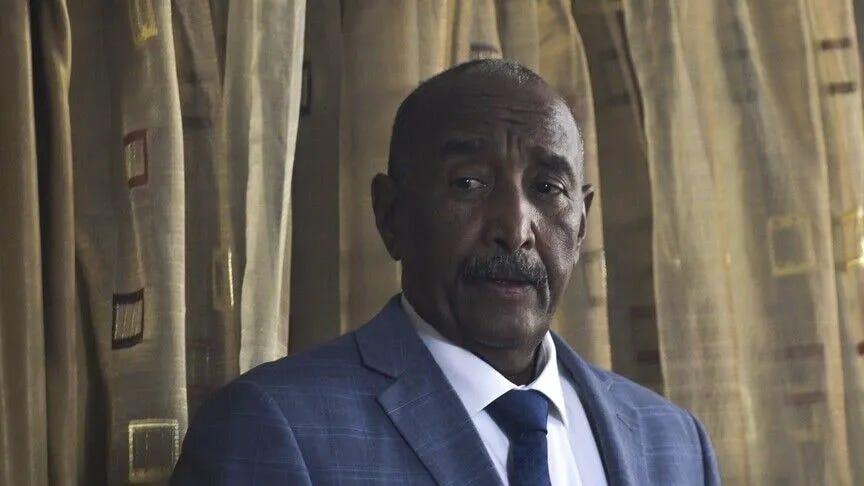
In Sudan, Transitional Sovereign Council Chairman Abdel Fattah al-Burhan met with African Union envoy Mohamed Belaiche to discuss the security situation, prospects for peace and preparations to reopen the African Union liaison office in Khartoum. The AU reiterated its support for a ceasefire, an inclusive political dialogue and Sudan’s sovereignty, while confirming its intention to accompany the country’s political, security and humanitarian transition. [4]
In Zimbabwe, President Emmerson Mnangagwa signed constitutional amendments extending presidential and parliamentary terms from five to seven years and replacing direct presidential elections with a parliamentary election system. The reforms were approved by parliament after the ruling party secured the required majority and introduced significant changes to the country’s constitutional framework. [5]
Sources :
1] Benin - ONU
2] Mali
3] Central African Republic
4] Sudan
5] Zimbabwe