

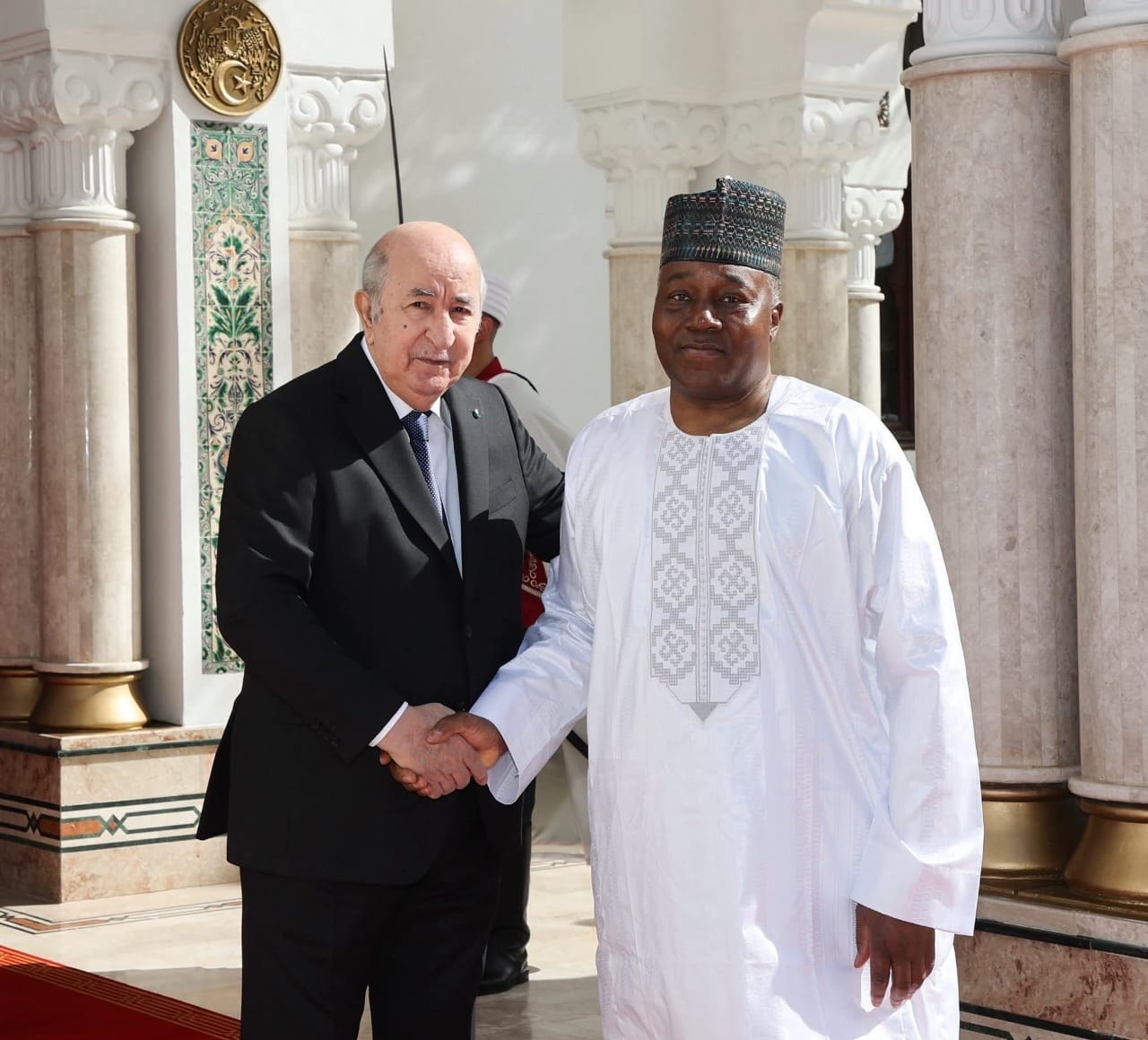
Over the past two weeks, several significant security developments have emerged across the West African region, particularly concerning Algeria, Chad, Burkina Faso, Guinea, and Niger. The situation remains fluid and poses critical implications for regional stability and cooperation.
Presidents Abdelmadjid Tebboune and Abdourahamane Tiani decided on Monday in Algiers to immediately reactivate joint border surveillance and counterterrorism mechanisms, citing persistent terrorist threats and cross-border organized crime in the Sahel. Following the Nigerien leader’s official visit, the two Heads of State also agreed to maintain diplomatic relations at the highest level, convene the next session of the joint High Commission in Niamey before the end of the first half of 2026, and accelerate bilateral cooperation in the security, economic and energy sectors, including the advancement of sectoral agreements and major projects such as the Trans-Saharan Highway, a cross-border fiber-optic link and the Trans-Saharan gas pipeline [1].
Chad has taken decisive action in response to armed incursions along its border with Sudan. The government has opted to close the border to mitigate further risks associated with these incursions. This closure aims to prevent the spillover of violence and ensure the safety of civilians in the border regions. The Chad-Sudan border has been historically volatile, and recent events have prompted increased vigilance from Chadian authorities to address security concerns stemming from armed groups operating in the area [2].
In a positive development, Burkina Faso and Ghana have engaged in discussions regarding intelligence sharing as part of their collective fight against terrorism. Both nations recognize the importance of collaboration in combating the rising threat of extremist groups in the region. The talks signify a commitment to enhance cooperation and utilize shared resources effectively to counter terrorism and enhance security for their populations. This partnership is especially critical as both countries have faced escalating terrorist activities [3].
Guinea has detained 16 soldiers from Sierra Leone amid an ongoing border dispute. The situation underscores the heightened tensions between the two nations, which have arisen from territorial disagreements. The detainment of these soldiers has raised concerns about the potential for further escalation and conflict. Guinea’s actions reflect the complexities of regional security dynamics, particularly as neighboring countries navigate their own internal challenges while dealing with cross-border issues [4].
In Niger, the ongoing violence has led to a humanitarian crisis, particularly in the Borgu region. Residents are fleeing to the Benin Republic as terrorists have once again invaded their communities. This alarming trend highlights the urgency of the situation and the dire need for humanitarian assistance for those affected. The influx of displaced individuals poses additional challenges for neighboring countries, which must manage both the humanitarian needs and security implications of such movements [5].
The recent events across Algeria, Chad, Burkina Faso, Guinea, and Niger paint a complex picture of regional security challenges. The closure of the Chad-Sudan border represents a critical step in addressing immediate threats. At the same time, the cooperative efforts between Burkina Faso and Ghana signify a proactive approach to counter-terrorism. However, the detainment of Sierra Leonean soldiers in Guinea and the humanitarian crisis in Niger underscore the ongoing volatility and the urgent need for effective regional responses to security threats.
Sources :
1] Algeria
2] Chad - Sudan
3] Burkina Faso - Ghana
4] Guinea - Sierra Leone
5] Niger